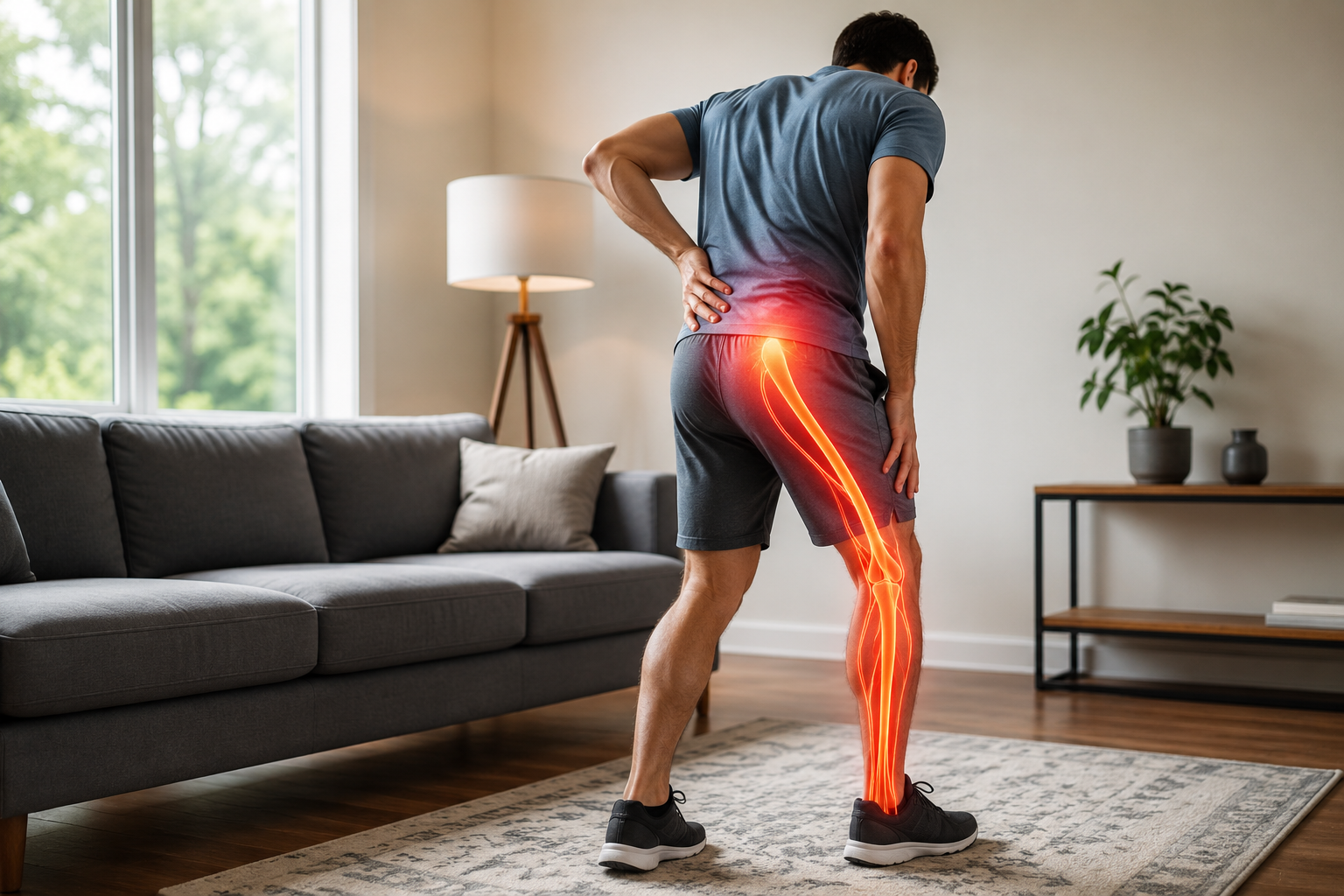
How to Take Care of Your Knees This Winter


Winter in Nebraska brings snow, ice, and colder temperatures—but it also brings an increase in knee pain for many people. Whether it’s arthritis, past injuries, or strain from winter activities, the knees often take the hit during colder months.
At Nebraska Integrated Health, we help patients across Omaha, Bellevue, Elkhorn, and Papillion protect joint health and stay active year-round. Here’s how you can care for your knees this winter and reduce the risk of pain and injury.
Why Knee Pain Gets Worse in Winter
Cold weather affects joints in several ways:
- Muscles tighten, reducing joint support
- Blood flow decreases, increasing stiffness
- Slippery conditions increase injury risk
- Reduced activity weakens stabilizing muscles
For people with arthritis, previous knee injuries, or physically demanding jobs, winter can amplify discomfort quickly.
1️⃣ Keep Your Knees Moving
Movement is one of the best ways to protect knee health. When joints stay still for too long, stiffness and pain increase.
Helpful winter activities include:
- Walking indoors or at a gym
- Stationary biking
- Gentle stretching or yoga
- Light strength exercises for the legs
Even short bouts of movement throughout the day help keep joints lubricated and functional.
2️⃣ Warm Up Before Cold-Weather Activity
Cold muscles and joints are more prone to strain. Before shoveling snow, exercising, or heading out in the cold, take a few minutes to warm up.
Simple warm-ups:
- March in place
- Gentle squats
- Leg swings or knee bends
Warming up improves circulation and reduces stress on the knees.
3️⃣ Wear Supportive Footwear
Winter footwear matters more than people realize. Poor traction or lack of support forces the knees to compensate, increasing strain.
Choose shoes or boots that:
- Have good grip for icy surfaces
- Offer arch support
- Cushion impact when walking
Avoid worn-out shoes, especially during winter walks or outdoor work.
4️⃣ Protect Your Knees During Winter Tasks
Snow shoveling, lifting, and repetitive movements are common causes of winter knee injuries.
Knee-safe tips:
- Bend at the knees and hips—not the back
- Keep loads close to your body
- Take frequent breaks
- Avoid twisting while lifting
If pain develops after winter tasks, don’t ignore it—early care can prevent long-term issues.
5️⃣ Address Knee Pain Early
Many people try to “push through” knee pain during winter. Unfortunately, ignoring discomfort can lead to worsening inflammation, reduced mobility, and chronic problems.
Early, conservative care can help:
- Improve joint alignment and movement
- Reduce inflammation
- Increase circulation to the knee
- Support healing without surgery
At Nebraska Integrated Health, we offer non-surgical knee decompression therapy and chiropractic care designed to relieve pressure, improve joint function, and help patients stay active through winter.
The Role of Preventative Care
Preventative and maintenance care plays a key role in winter knee health. Regular check-ins help identify movement issues early, reduce stress on the joints, and maintain strength and flexibility—especially important during months when activity levels naturally drop.
Stay Active and Comfortable All Winter
Your knees work hard every day—especially during winter. By staying active, warming up properly, wearing supportive footwear, and addressing pain early, you can protect your joints and maintain mobility through the colder months.
At Nebraska Integrated Health, we’re proud to serve Omaha, Bellevue, Elkhorn, and Papillion with integrated, conservative care options that support long-term joint health.
📞 Call today to schedule your winter knee wellness consultation.