Herniated Disc: What It Is, Why It Happens, and What You Can Do About It


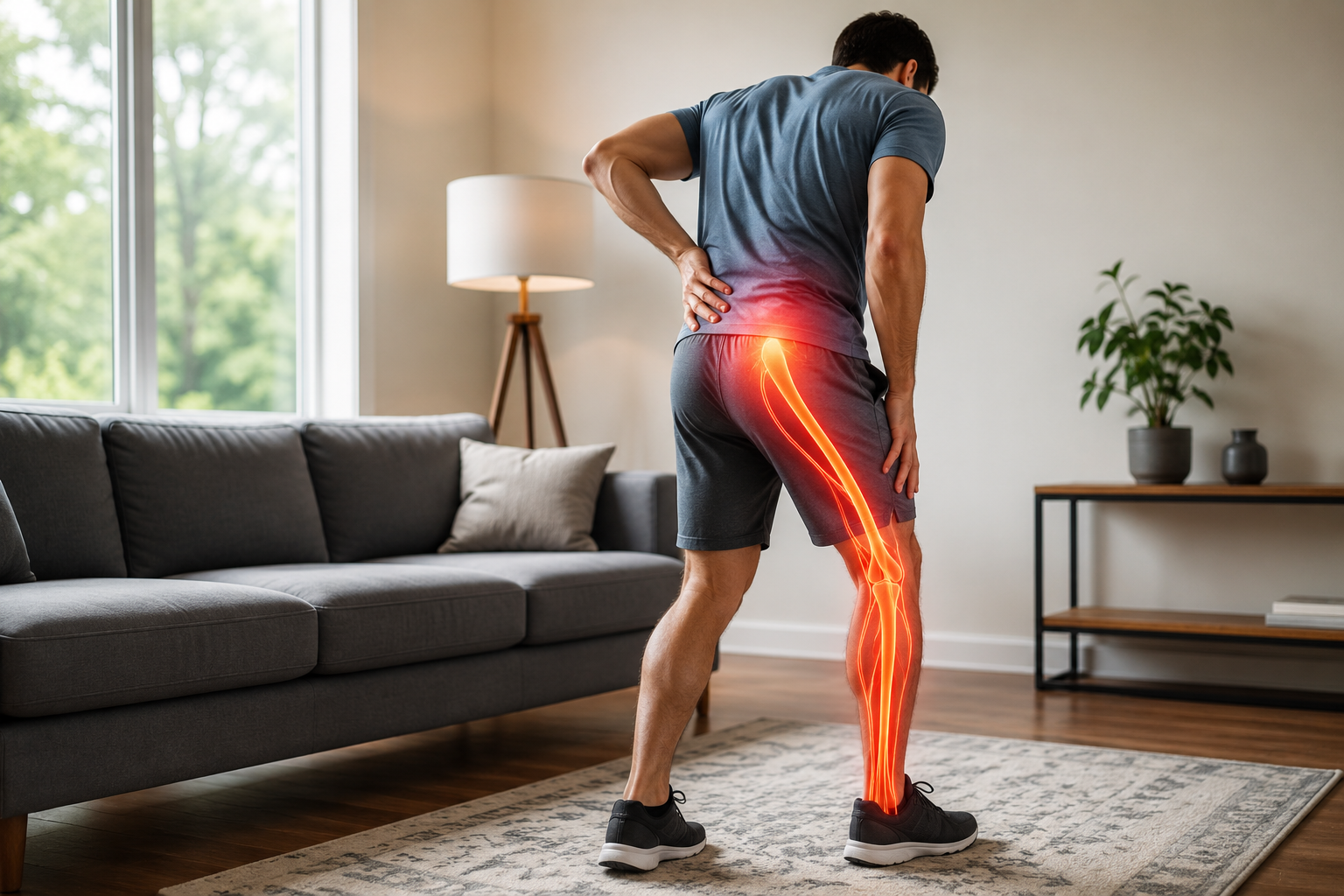
If you’ve been dealing with persistent back pain, sharp shooting pain down your leg, or numbness and tingling, you may have heard the term “herniated disc.” It’s one of the most common causes of back and nerve-related pain—but also one of the most misunderstood.
At Nebraska Integrated Health, we regularly help patients in Omaha, Elkhorn, and Bellevue manage disc-related issues and get back to moving comfortably.
What Is a Herniated Disc?
Your spine is made up of bones (vertebrae) separated by discs that act as cushions. These discs help absorb shock and allow your spine to move smoothly.
A herniated disc occurs when the soft inner portion of the disc pushes through the tougher outer layer. When this happens, it can irritate nearby nerves—leading to pain, weakness, or numbness.
This is often why people experience lower back pain radiating down the leg (commonly called sciatica).
Common Symptoms of a Herniated Disc
Symptoms can vary depending on the location and severity, but common signs include:
- Sharp or shooting pain in the back or neck
- Pain that travels into the arm or leg
- Numbness or tingling
- Muscle weakness
- Increased pain after sitting for long periods
Many people notice their symptoms worsen with back pain from sitting all day or prolonged inactivity.
What Causes a Herniated Disc?
Herniated discs don’t always happen from a single injury. In many cases, they develop over time due to repeated stress on the spine.
Common contributing factors include:
- Poor posture
- Long hours of sitting
- Repetitive bending or lifting
- Weak core muscles
- Lack of movement
- Age-related wear and tear
This is why many patients with desk job back pain and posture-related issues are at higher risk.
What to Do If You Think You Have a Herniated Disc
The biggest mistake people make is either ignoring the pain or assuming surgery is the only solution. In reality, many herniated discs respond well to conservative care.
1️⃣ Keep Moving (But Smartly)
While rest can help short-term, too much inactivity can make symptoms worse. Gentle movement helps maintain circulation and prevent stiffness.
Activities like walking, stretching, and light mobility work can help support recovery.
2️⃣ Address the Root Cause
If poor posture, sitting, or repetitive movement contributed to the issue, those patterns need to change.
Improving habits like:
- Sitting posture
- Workstation setup
- Daily movement
can make a significant difference over time.
3️⃣ Focus on Reducing Pressure on the Disc
One of the main goals in treating a herniated disc is reducing pressure on the affected area.
Many patients benefit from non-surgical spinal decompression for disc-related issues, which helps relieve pressure and support the healing process.
4️⃣ Strengthen and Stabilize
Once pain is more controlled, strengthening the muscles that support your spine—especially the core and hips—helps prevent the issue from coming back.
5️⃣ Don’t Wait Too Long
Early intervention often leads to better outcomes. Waiting too long can allow symptoms to worsen and become more difficult to manage.
If you’re experiencing persistent pain, numbness, or weakness, it may be time to seek care.
When to See a Chiropractor for a Herniated Disc
You may benefit from chiropractic care if you’re dealing with:
- Ongoing back or neck pain
- Pain that radiates into the arms or legs
- Stiffness that limits movement
- Symptoms that interfere with daily life
Chiropractic care focuses on improving spinal movement, reducing nerve irritation, and helping the body function more efficiently.
Many patients searching for the best chiropractor near me are looking for a non-surgical, conservative approach to managing disc-related pain.
A Conservative Approach to Disc Pain
Not every herniated disc requires aggressive treatment. In many cases, a combination of:
- Chiropractic care
- Movement and mobility work
- Posture improvements
- Decompression therapy
can help reduce symptoms and improve function without surgery.
Preventing Future Disc Issues
Once symptoms improve, prevention becomes key.
To protect your spine long-term:
- Stay active and avoid prolonged sitting
- Maintain strong core and hip muscles
- Be mindful of posture
- Address small issues before they become bigger problems
Patients who focus on prevention often experience fewer flare-ups and better long-term outcomes.
Take Control of Your Spinal Health
A herniated disc can be painful and frustrating—but it doesn’t have to control your life. With the right approach, many people are able to reduce pain, restore movement, and return to normal activities.
At Nebraska Integrated Health, we help patients across Omaha, Elkhorn, and Bellevue manage disc-related conditions with personalized, conservative care.
📍 Serving Omaha, Elkhorn, Bellevue & surrounding areas